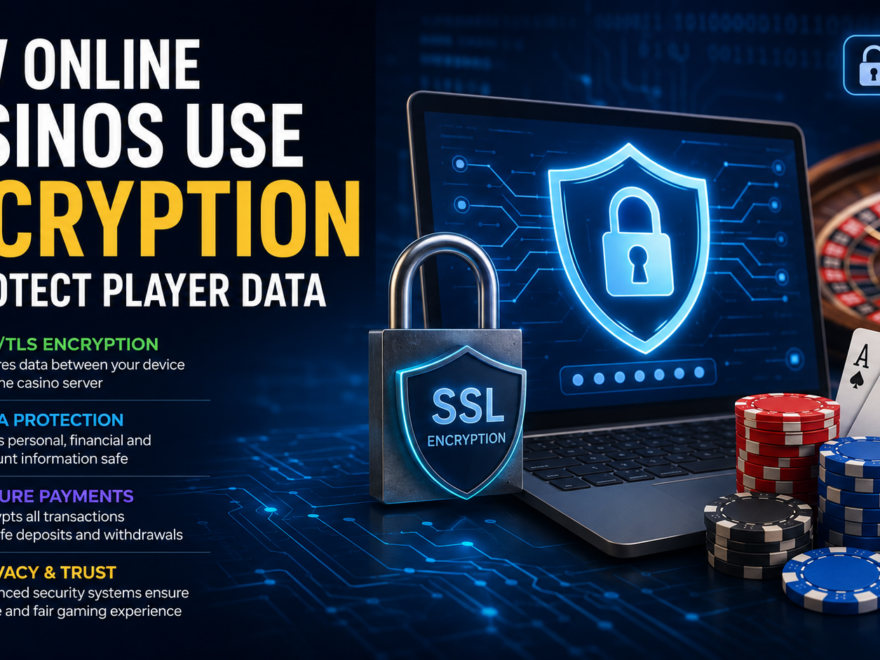
The online casino industry has grown rapidly over the last decade, attracting millions of players worldwide. While exciting games and attractive bonuses are important, security is often the deciding factor when players choose an online casino. Every time you create an account, deposit money, or withdraw winnings, sensitive information travels across the internet. Without proper protection, that data could become vulnerable to cybercriminals.
This is where encryption plays a critical role. Modern online casinos rely on advanced encryption technologies to keep player information safe from unauthorized access. From login credentials to payment details, encryption ensures that confidential data remains private throughout every gaming session. Reputable platforms also combine encryption with multiple cybersecurity measures to create a secure environment for players.
If you’re exploring trusted casino resources or learning more about secure gaming platforms, you can visit CricBet99 for informative casino-related content.
What Is Encryption?
Encryption is the process of converting readable information into coded data that can only be unlocked using a specific encryption key. Even if hackers manage to intercept encrypted information, they cannot understand or misuse it without the correct key.
Think of encryption as placing your personal information inside a locked digital vault. Only the intended recipient has the key to open it.
In online casinos, encryption protects information such as:
- Username and passwords
- Personal identification details
- Banking information
- Credit or debit card details
- Cryptocurrency wallet addresses
- Deposit and withdrawal requests
- Gaming activity
Without encryption, all of this information could potentially be exposed during transmission.
SSL and TLS Encryption: The Industry Standard
Most legitimate online casinos use SSL (Secure Sockets Layer) or the newer TLS (Transport Layer Security) protocols.
Although SSL is still a commonly used term, modern casinos primarily use TLS because it offers stronger security and better performance.
When you visit a secure casino website, you’ll notice:
- HTTPS in the address bar
- A padlock icon
- A valid security certificate
These signs indicate that communication between your browser and the casino server is encrypted. This helps prevent attackers from intercepting sensitive information while it travels across the internet.
How Encryption Protects Player Information
1. Secure Login Credentials
Every login involves transmitting your username and password to the casino server.
Encryption ensures these credentials cannot be easily intercepted by hackers using public Wi-Fi networks or compromised internet connections.
2. Safe Financial Transactions
Players regularly deposit and withdraw money using:
- Credit cards
- Debit cards
- E-wallets
- Bank transfers
- Cryptocurrencies
Encryption protects payment information throughout the transaction process, reducing the risk of financial fraud and identity theft.
3. Personal Data Protection
Online casinos collect personal information for identity verification, including:
- Full name
- Date of birth
- Address
- Government-issued identification
Encryption keeps this sensitive data secure both during transmission and, in many cases, while stored in protected databases.
Encryption Is Only One Layer of Security
While encryption is essential, reputable casinos use several additional security measures to strengthen player protection.
Two-Factor Authentication (2FA)
Many casinos allow players to activate two-factor authentication.
This requires a second verification step—such as a code sent to a mobile device—before granting account access. Even if someone discovers your password, they cannot log in without the additional verification.
Firewalls and Intrusion Detection
Professional casino operators install advanced firewalls that monitor incoming traffic and block suspicious activity.
Intrusion detection systems continuously scan for hacking attempts and unusual behavior before attackers can compromise player accounts.
Secure Data Storage
Many online casinos also encrypt stored customer information.
Instead of keeping sensitive data in plain text, databases use encryption methods that protect information even if unauthorized access occurs. Access is typically restricted to authorized personnel only.
Why Encryption Matters for Mobile Casino Gaming
Mobile casino gaming has become more popular than ever.
Whether players use Android devices, iPhones, or tablets, secure encryption remains equally important. Modern casino apps and mobile websites use the same SSL/TLS technology found on desktop platforms.
This means your deposits, withdrawals, and gameplay remain protected regardless of the device you use.
How Players Can Verify Casino Security
Encryption works best when combined with smart browsing habits.
Before registering with any casino, check for the following:
- HTTPS in the website URL
- Browser padlock icon
- Valid SSL certificate
- Clear privacy policy
- Licensed gaming operator
- Secure payment providers
- Two-factor authentication options
If a website lacks HTTPS or displays browser security warnings, avoid entering any personal information.
Common Misconceptions About Casino Encryption
“Encryption Guarantees a Trustworthy Casino”
Not necessarily.
Encryption only secures communication between you and the website. It does not guarantee fair games, reliable withdrawals, or proper licensing. Players should still verify that a casino is licensed and independently audited.
“Only Payment Information Is Encrypted”
This is false.
Modern encryption protects virtually all communication between the player and the casino, including account information, passwords, personal details, and transaction history.
The Future of Encryption in Online Casinos
Cybersecurity threats continue to evolve, and so do casino security systems.
Leading online casinos are adopting:
- TLS 1.3 encryption
- AI-powered fraud detection
- Biometric authentication
- Advanced multi-factor authentication
- Improved cloud security
- Stronger compliance with international privacy regulations
These technologies help create safer online gaming environments while improving player confidence.
FAQs
1. What type of encryption do online casinos use?
Most reputable online casinos use SSL or the newer TLS encryption protocols to secure data transmitted between players and casino servers.
2. How can I tell if an online casino is secure?
Look for HTTPS in the URL, a padlock icon, a valid SSL certificate, proper licensing, and transparent security information.
3. Does encryption protect my payment details?
Yes. Encryption secures payment information during deposits and withdrawals, helping prevent unauthorized access.
4. Is encryption enough to guarantee a safe casino?
No. Encryption protects data transmission, but players should also verify licensing, reputation, customer reviews, and independent game audits.
5. Should I enable two-factor authentication?
Absolutely. Two-factor authentication adds another layer of protection, making it much harder for unauthorized users to access your account.
Final Thought
Encryption has become the foundation of online casino security. Whether you’re creating an account, making a deposit, or withdrawing your winnings, modern encryption technologies work quietly in the background to keep your personal and financial information protected. However, encryption alone is not enough. Choosing licensed casinos, enabling two-factor authentication, and verifying website security indicators are equally important steps toward a safe online gaming experience.
As the online gambling industry continues to evolve, stronger encryption standards and advanced cybersecurity tools will remain essential for protecting player trust and ensuring a secure digital gaming environment.