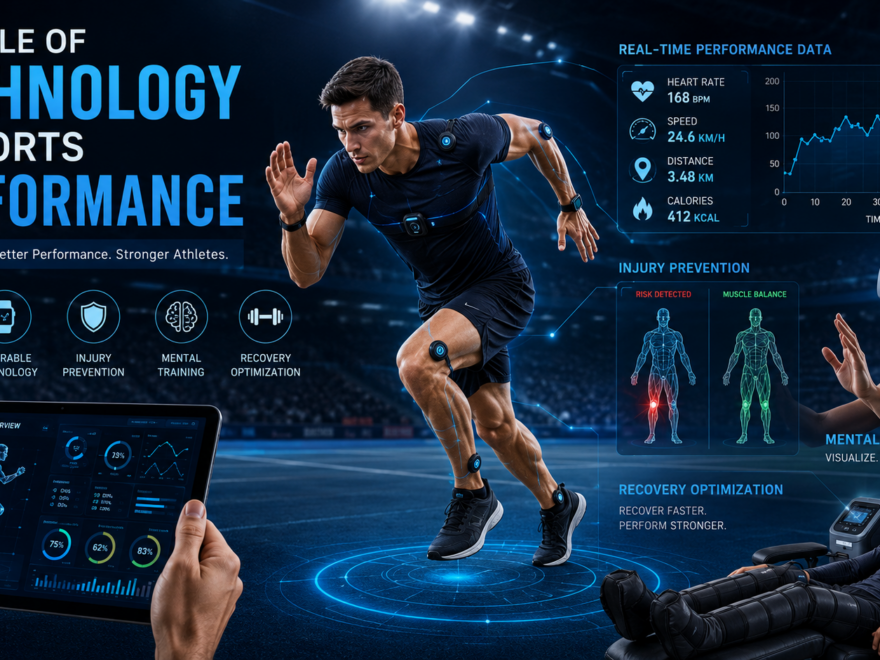
Role of Technology in Sports Performance
Technology has become one of the most influential factors in modern sports performance. From wearable fitness trackers and performance analytics to artificial intelligence (AI) and virtual reality (VR), technological advancements are helping athletes train smarter, recover faster, and perform better than ever before. Whether it is professional athletes competing at the highest level or amateur players striving to improve their skills, technology is reshaping the sports industry.
Today, coaches and sports scientists rely on real-time data and advanced analytics to make informed decisions that enhance performance while reducing the risk of injuries. As innovation continues to evolve, technology is becoming an essential part of every athlete’s journey toward success.
How Technology is Revolutionizing Sports Performance
Technology has transformed sports training from traditional methods to data-driven approaches. Athletes no longer depend solely on physical observation and experience. Modern tools provide accurate insights into performance, movement patterns, fitness levels, and recovery status.
By collecting and analyzing data, coaches can identify strengths and weaknesses, create personalized training programs, and optimize overall performance. This scientific approach helps athletes achieve better results while minimizing unnecessary strain on their bodies.
Wearable Technology and Performance Tracking
One of the most significant developments in sports performance is the use of wearable technology. Devices such as smartwatches, heart rate monitors, GPS trackers, and fitness bands allow athletes to monitor various performance metrics in real time.
These devices track:
- Heart rate and cardiovascular performance
- Speed and distance covered
- Calories burned
- Sleep quality and recovery
- Training intensity and workload
Wearable technology helps athletes understand their physical condition and make adjustments to their training routines. According to the National Center for Biotechnology Information (NCBI), wearable devices play a crucial role in monitoring athlete health and performance.
The Power of Data Analytics in Sports
Data analytics has become a game-changer in sports performance. Coaches and analysts use large datasets to evaluate player performance, identify trends, and make strategic decisions.
Advanced analytics can help teams:
- Measure player efficiency
- Analyze opponent strategies
- Track fitness and fatigue levels
- Improve tactical decision-making
Professional sports organizations increasingly use data-driven insights to gain a competitive advantage. This approach allows athletes and teams to make objective decisions rather than relying solely on intuition.
Artificial Intelligence and Personalized Training
Artificial Intelligence (AI) is transforming the way athletes train and improve. AI-powered systems can analyze performance data and create customized training plans tailored to individual needs.
Benefits of AI in sports include:
- Personalized workout recommendations
- Injury risk prediction
- Performance forecasting
- Automated video analysis
- Real-time coaching support
By processing vast amounts of information quickly, AI helps athletes focus on specific areas that require improvement. Organizations such as FIFA and leading sports technology companies are increasingly investing in AI-based solutions to enhance athletic performance.
Injury Prevention and Athlete Safety
Injury prevention is one of the most valuable contributions of technology in sports. Advanced motion-tracking systems and biomechanical analysis tools can detect movement patterns that may increase injury risk.
Technologies used for injury prevention include:
- Motion capture systems
- Wearable sensors
- GPS monitoring tools
- Thermal imaging technology
- Biomechanical assessment software
These solutions help coaches identify physical stress, monitor workload, and make adjustments before minor issues become serious injuries. As a result, athletes can maintain peak performance while reducing downtime caused by injuries.
Virtual Reality and Mental Performance
Sports performance is not only about physical ability; mental preparation also plays a critical role. Virtual Reality (VR) technology is helping athletes improve concentration, decision-making, and confidence.
VR training allows athletes to:
- Simulate real competition environments
- Practice tactical situations
- Improve reaction time
- Build mental resilience
For example, athletes can experience match scenarios virtually before stepping onto the field, helping them prepare for high-pressure situations and improve overall performance.
Technology and Recovery Optimization
Recovery is a crucial component of sports performance. Without proper recovery, athletes may experience fatigue, decreased performance, and a higher risk of injury.
Modern recovery technologies include:
- Recovery monitoring software
- Compression therapy devices
- Cryotherapy chambers
- Massage guns
- Sleep tracking systems
These tools help athletes understand how their bodies recover after training and competition. By optimizing recovery strategies, athletes can maintain consistency and improve long-term performance.
The Future of Technology in Sports
The future of sports performance technology looks incredibly promising. Emerging innovations such as machine learning, smart equipment, advanced biomechanics, and predictive analytics will continue to reshape the sports industry.
Future developments may include:
- AI-driven coaching assistants
- Smart sports gear with embedded sensors
- Advanced injury prediction models
- Enhanced virtual training environments
- Real-time biometric monitoring
As technology becomes more accessible, athletes at all levels will benefit from tools that were once available only to elite professionals.
Final Thoughts
Technology has fundamentally changed the way athletes train, compete, and recover. From wearable devices and AI-powered analytics to injury prevention systems and virtual reality training, modern innovations are helping athletes unlock their full potential.
The integration of technology into sports performance is no longer optional—it is becoming a necessity for those seeking a competitive edge. As new advancements continue to emerge, athletes and coaches who embrace technology will be better equipped to achieve excellence, improve performance, and stay ahead in an increasingly competitive sporting landscape.
Frequently Asked Questions (FAQs)
1. How does technology improve sports performance?
Technology improves sports performance by providing real-time data, personalized training plans, injury prevention insights, and advanced performance analysis that help athletes train more effectively.
2. What are the most common technologies used in sports?
Common technologies include wearable fitness trackers, GPS devices, heart rate monitors, AI-based analytics platforms, motion capture systems, and virtual reality training tools.
3. Can technology help prevent sports injuries?
Yes. Technologies such as wearable sensors, biomechanical analysis tools, and workload monitoring systems can identify injury risks early and help athletes avoid serious injuries.
4. What role does artificial intelligence play in sports?
Artificial intelligence analyzes performance data, predicts injury risks, creates personalized training programs, and provides valuable insights for coaches and athletes.
5. Why is data analytics important in sports?
Data analytics helps athletes and teams make informed decisions by evaluating performance metrics, identifying trends, and optimizing training and game strategies.