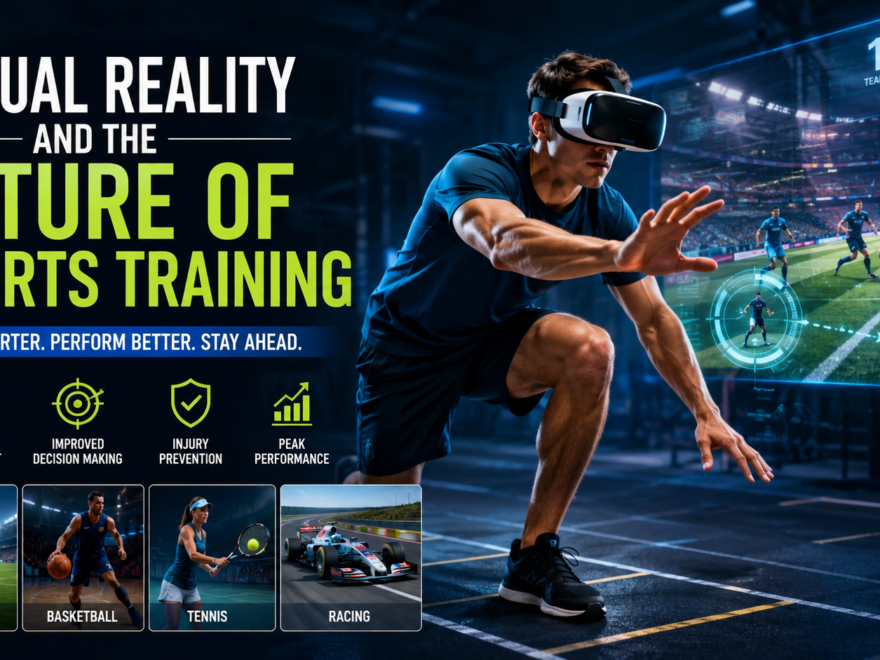
Virtual Reality and the Future of Sports Training
Technology has transformed almost every aspect of modern life, and sports training is no exception. Among the most exciting innovations shaping the future of athletics is Virtual Reality (VR). Once associated mainly with gaming and entertainment, VR has now become a powerful training tool for athletes, coaches, and sports organizations worldwide. By creating immersive and realistic environments, Virtual Reality allows athletes to practice skills, improve decision-making, and enhance performance without stepping onto a physical field.
As sports continue to evolve, VR is emerging as a game-changing technology that could redefine how athletes prepare for competition. From professional leagues to amateur training programs, Virtual Reality is opening new possibilities for performance improvement and injury prevention.
What is Virtual Reality in Sports Training?
Virtual Reality is a technology that creates a simulated environment where users can interact with digital elements through specialized headsets and sensors. In sports training, VR enables athletes to experience realistic game situations, practice techniques, and analyze performance in a controlled setting.
Unlike traditional training methods, VR provides athletes with an opportunity to repeat specific scenarios multiple times without the physical strain associated with regular practice sessions. This makes training more efficient while reducing the risk of overtraining and injuries.
How Virtual Reality is Transforming Sports Training
1. Enhanced Skill Development
One of the biggest advantages of VR is its ability to improve technical skills. Athletes can practice specific movements and game situations repeatedly until they master them. For example, a soccer player can rehearse penalty kicks, while a quarterback can analyze defensive formations and make strategic decisions in a virtual environment.
The ability to repeat situations endlessly helps athletes build muscle memory and improve reaction times, leading to better performance during actual competitions.
2. Improved Decision-Making Abilities
Sports often require athletes to make split-second decisions under pressure. Virtual Reality can simulate high-pressure situations that closely resemble real matches. Athletes can train their minds to react quickly and accurately when faced with challenging scenarios.
Basketball players, for instance, can practice reading defenses and choosing the best passing options. Similarly, racing drivers can learn how to handle unexpected situations on the track without putting themselves at risk.
3. Safe and Controlled Training Environment
In contact sports such as football, rugby, and boxing, injuries are a constant concern. VR provides a safer alternative by allowing athletes to train without physical collisions. Players can study plays, practice positioning, and improve tactical awareness without exposing themselves to unnecessary risks.
This controlled environment is especially beneficial during rehabilitation, enabling injured athletes to stay mentally engaged with the sport while recovering.
4. Mental Conditioning and Confidence Building
Success in sports depends not only on physical ability but also on mental strength. Virtual Reality helps athletes develop focus, concentration, and confidence by exposing them to realistic competition scenarios.
Athletes can visualize success, practice under simulated crowd pressure, and become comfortable with high-stakes situations. This mental preparation often leads to improved confidence and reduced anxiety during real competitions.
Applications of VR Across Different Sports
Football and Soccer
Professional football and soccer teams are increasingly using VR to help players understand tactics, study opponents, and improve situational awareness. Quarterbacks and midfielders can analyze plays from multiple perspectives and develop a deeper understanding of game strategies.
Basketball
Basketball players use VR to improve shooting accuracy, court vision, and decision-making. Virtual simulations allow players to practice game situations without requiring a full team practice session.
Tennis
Tennis players can train against virtual opponents with different playing styles. This helps athletes prepare for upcoming matches and develop strategies tailored to specific competitors.
Golf
Golfers benefit from VR by practicing swings, analyzing course layouts, and improving shot selection. The technology provides instant feedback, helping players identify areas for improvement.
Motorsports
Racing drivers have been among the earliest adopters of VR training. Simulators allow drivers to learn tracks, practice race strategies, and improve reaction times without the costs and risks associated with actual racing.
Benefits of Virtual Reality in Sports Training
The growing popularity of VR in sports can be attributed to its numerous advantages:
- Provides realistic training experiences.
- Improves reaction speed and decision-making.
- Reduces injury risks during practice.
- Enhances mental preparation and confidence.
- Allows athletes to train regardless of weather conditions.
- Offers detailed performance analytics and feedback.
- Saves time and training resources.
These benefits make VR an attractive investment for sports organizations looking to gain a competitive edge.
Challenges and Limitations
Despite its potential, Virtual Reality is not without challenges. High-quality VR systems can be expensive, making them less accessible for smaller organizations and amateur athletes. Additionally, VR cannot fully replicate the physical demands of real-world competition.
Some athletes may also experience motion sickness or discomfort during extended VR sessions. Furthermore, successful implementation requires coaches and trainers to understand how to integrate the technology effectively into existing training programs.
As technology continues to improve and costs decrease, many of these limitations are expected to become less significant.
The Future of Virtual Reality in Sports
The future of VR in sports training looks incredibly promising. Advances in artificial intelligence, motion tracking, and wearable technology will make virtual training environments even more realistic and personalized.
Future systems may provide real-time biometric feedback, allowing athletes to monitor heart rate, stress levels, and movement patterns during training sessions. Coaches will be able to create customized simulations tailored to each athlete’s strengths and weaknesses.
As VR technology becomes more affordable and widely available, it is likely to become a standard component of sports training programs at all levels, from youth development to elite professional competition.
Final Thoughts
Virtual Reality is rapidly transforming the way athletes train, learn, and compete. By combining immersive simulations with advanced performance analytics, VR offers opportunities that traditional training methods cannot match. While challenges remain, the benefits of improved skill development, safer practice environments, and enhanced mental preparation make Virtual Reality one of the most exciting innovations in modern sports.
As technology continues to evolve, VR is expected to play an increasingly important role in shaping the future of sports training. Athletes and coaches who embrace this technology today may gain a significant advantage in the highly competitive world of sports tomorrow.
Frequently Asked Questions (FAQs)
1. What is Virtual Reality in sports training?
Virtual Reality in sports training is the use of immersive digital environments to help athletes practice skills, improve decision-making, and prepare for competition.
2. How does VR improve athletic performance?
VR improves performance by providing realistic practice scenarios, enhancing reaction times, strengthening decision-making skills, and boosting mental confidence.
3. Which sports use Virtual Reality training?
Many sports use VR training, including football, soccer, basketball, tennis, golf, baseball, and motorsports.
4. Can Virtual Reality replace traditional sports training?
No, VR is designed to complement traditional training rather than replace it. Physical practice remains essential for developing strength, endurance, and real-world skills.
5. Is Virtual Reality training safe?
Yes, VR training is generally safe and can reduce injury risks by allowing athletes to practice without physical contact. However, users should follow proper guidelines to avoid discomfort or motion sickness.
6. What is the future of VR in sports?
The future of VR in sports includes more realistic simulations, AI-powered coaching, personalized training programs, and advanced performance tracking systems.